



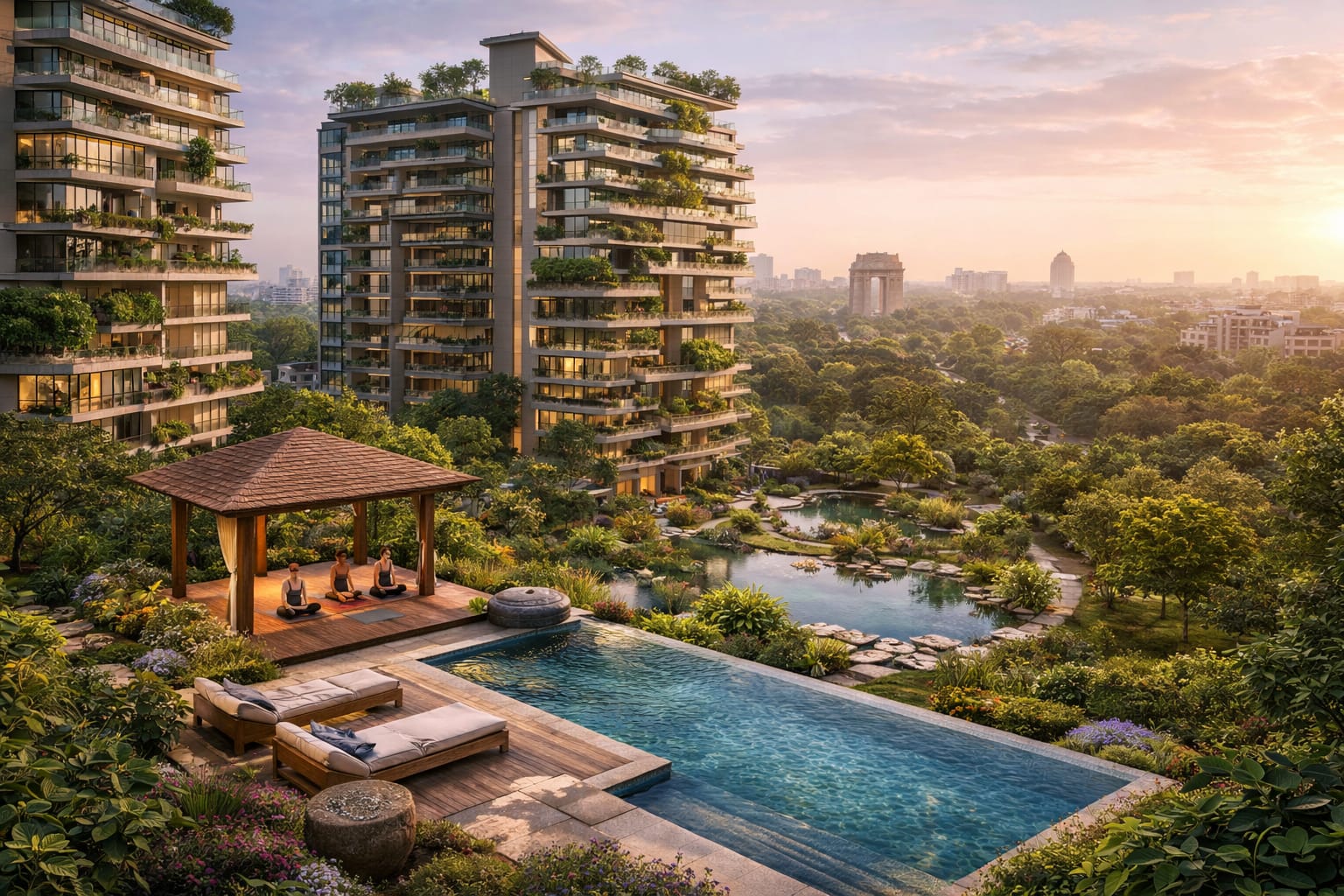
At a time when health is no longer an afterthought but the very reason families choose where to live, the idea of “wellness homes” is changing the housing narrative across NCR. In cities like Gurugram and Noida, homebuyers are no longer asking only about location and luxury; they are also inquiring about how a space breathes, how it reduces stress, and how it supports a healthier rhythm of life.
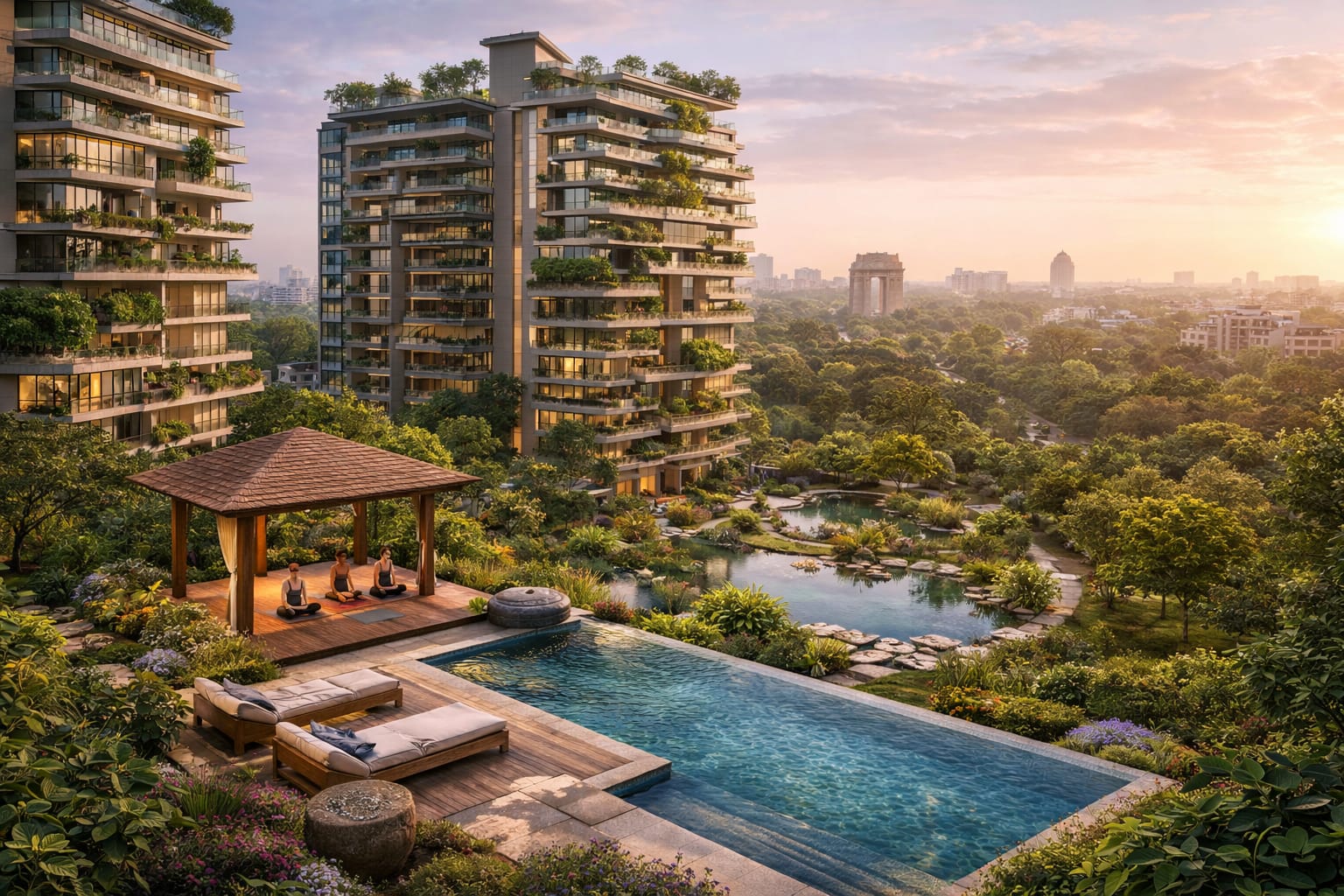 |
Wellness-centric luxury housing in NCR blends nature, open spaces, and mindful design to create healthier urban communities
The surge in demand for wellness homes across NCR is rooted in a decisive shift in buyer psychology. In the years following the pandemic, homebuyers have begun attaching greater value to health safeguards. Supported by changing lifestyle preferences, higher disposable incomes and a focus on health, the wellness homes market continues to grow stronger.
Shyamrup Roy Choudhury, Founder and Managing Director, Aura World, said, “In Gurugram, wellness is steadily emerging as the defining pillar of ultra-luxury living. Families are moving beyond decorative opulence and instead prioritising homes that enable cleaner air, deeper relaxation and a more balanced lifestyle. As a result, expansive residences with private landscaped areas, quiet reflection zones, split-level planning and dedicated wellness rooms are setting new standards. The city’s globally exposed and cosmopolitan workforce naturally resonates with this evolution. Today’s buyers are seeking private sanctuaries that blend refined international aesthetics with spaces designed to restore and rejuvenate, underscoring how wellness-oriented living has become the most authentic marker of luxury.”
Arjun Gehlot, Director, Ambience Group, added, “Over the last few years, we have seen a visible shift in what luxury means. Earlier, it was about scale and finishes. Today, it is about how a space makes you feel when you wake up in it every morning. In Gurugram, especially along premium corridors like Dwarka Expressway, buyers are seeking projects with cross-ventilation, green views, walkability, and noise insulation. Wellness is no longer an add-on clubhouse feature; it is being designed into the core blueprint of residences. Thus, the real transformation is psychological. For us, wellness living is about creating environments that reduce stress and quietly enhance everyday life.”
In real estate parlance, “wellness homes” are defined beyond just marble floors, high ceilings or premium finishes. These homes are engineered to support physical health, mental equilibrium and environmental well-being.
Ashok Singh Jaunapuria, MD & CEO, SS Group, said, “Buyers are far more informed today; they ask specific questions about ventilation standards, landscaped area ratios and material specifications. As developers, this requires us to think beyond aesthetics and incorporate design strategies that genuinely enhance comfort and well-being. From larger balconies and low-density layouts to integrated fitness and recreation infrastructure, the emphasis is on creating self-sustained communities. We believe that in Gurugram’s next growth cycle, projects that prioritise wellness fundamentals will command stronger buyer confidence and sustained demand.”
For buyers in NCR, where pollution and congestion are daily realities, wellness homes represent a fundamental rethinking of how a home contributes to quality of life. At their core are features that matter in everyday living: advanced air filtration systems that reduce indoor pollutants, design elements that maximise daylight and cross-ventilation, dedicated zones for fitness and relaxation, and landscaped open spaces that invite movement and calm.
Viren Mehta, Founder & Director, ElitePro says, “As urban life becomes increasingly demanding, buyers are seeking residences that allow them to breathe cleaner air, live more mindfully and maintain a healthier balance. In response, developers are moving beyond surface-level certifications to embed natural light, advanced air purification, biophilic elements, low-VOC materials and curated community wellness spaces into the design framework. While these homes may command a 10–30% premium, families view it as a long-term investment in health, reduced future costs and sustained property appreciation. Over the coming decade, wellness communities are set to transform housing from a transactional purchase into a more immersive living experience.”
The GWI report highlights that the wellness real estate has emerged as a significant global asset class with projections indicating a multi-trillion-dollar trajectory by 2035. This global momentum is increasingly finding a local expression in NCR’s emerging corridors. In Gurugram, stretches such as Golf Course Extension Road and the newer sectors along the Southern Peripheral Road are witnessing projects that foreground landscaped podiums, low-density planning and integrated green zones. Greater Noida West, with its relatively wider roads and township-style layouts, has become a fertile ground for wellness-led developments that combine affordability with breathing space.
Salil Kumar, Director- Marketing and Business Management, CRC Group, says, “In markets like Noida and Greater Noida, the wellness housing narrative is closely linked to planning and openness. These micro-markets offer the advantage of wider roads, lower-density pockets, and integrated township development, which makes wellness-led planning more scalable. Buyers here are aspirational but also practical; they want long-term value. Wellness features such as air purification systems, green landscaping, and dedicated fitness infrastructure are increasingly influencing buying decisions. Investors are also recognising that healthier environments translate into stronger, more resilient demand cycles. We believe wellness will soon move from being a premium differentiator to becoming a baseline expectation in NCR housing.”
Goldi Arora, Co-founder & Managing Director of Property Master, says, “Across NCR, we are witnessing wellness shift from being a niche luxury proposition to a serious decision-making parameter. Buyers today evaluate projects not only on price appreciation potential but also on liveability metrics. What is particularly interesting is that this demand cuts across segments, from upper mid-income to premium. Investors, too, are recognising that healthier environments create stronger tenant retention and long-term value stability.”
Therefore, the question is no longer whether wellness will influence NCR’s housing market, but how deeply it will become embedded in its baseline standards. Over time, policy frameworks, municipal guidelines and even housing finance models could begin incentivising healthier building practices.
